
English Catatan 50

CATATAN NUSANTARA / 50

CHAPTER 8-3

QUR’AN · COMMENTARY · FICTION

Al-Baqarah 102: Knowledge, Trial, and Responsibility

Bahasa Indonesia

Al-Baqarah 102 does not praise sorcery as a route to knowledge. It defends the prophet Sulayman against accusations of disbelief and warns about knowledge used to damage human relationships.
The opening of al-Baqarah in a manuscript dated 1715, Egyptian National Library collection
The opening of al-Baqarah in a manuscript dated 1715, Egyptian National Library collection. It is not verse 102. Source: Muhammad Abi Bakr / reproduction via Wikimedia Commons, public domain. Shown uncropped. Muhammad Abi Bakr / reproduksi melalui Wikimedia Commons Domain publik
Arabic text of Qur’an 2:102
Arabic text of Qur’an 2:102. The marker ١٠٢ identifies the verse. This is a text reproduction, not an ancient manuscript photograph. Source: Quran.com. Shown uncropped; reproduction rights follow the source. Quran.com — Al-Baqarah 2:102

Sulayman is not identified with teaching sorcery

The verse rejects accusations of disbelief against Sulayman and attributes the teaching of sorcery to devils. Prophetic authority should not be used to justify destructive practices.

Harut, Marut, and warning before learning

The verse names Harut and Marut in Babylon and warns of a trial. Attention belongs to that warning, rather than fascination with apparently hidden knowledge.

Separation between spouses is among the harms mentioned. Knowledge is considered through consequences and responsibility, not power alone.
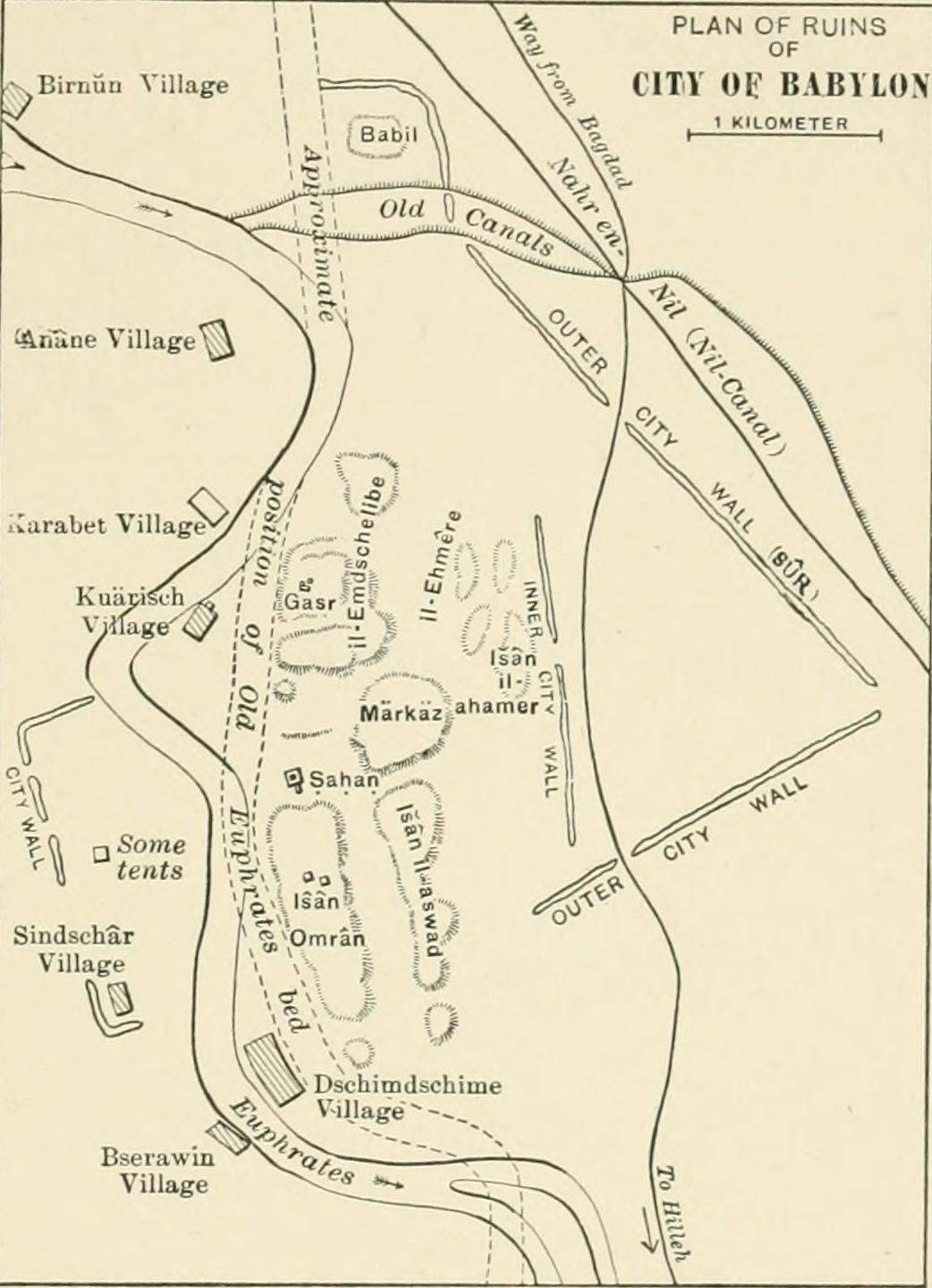
Babylonian ruins mapped in a 1905 book
Babylonian ruins mapped in a 1905 book. Geographical context for Babylon, not archaeological proof of Harut, Marut, or the verse’s sorcery. Source: A history of all nations / John Henry Wright, editor, public domain, via Wikimedia Commons. Shown uncropped. A history of all nations / John Henry Wright (ed.) Domain publik

Harm is not an independent power

The verse states that harm does not occur outside Allah’s permission and warns of loss in the hereafter. Treating it as a promise of power ignores its cautionary direction.

Read the full verse with its translation and commentary. A summary of its figures cannot replace the text itself.

In Chapter 8: a fictional clue, not teaching about seals

Yahya gives verse 102 as a starting point for Hasan’s search. Its connection with Pieter, manuscripts, and underwater seals is invented. The Qur’an describes no Nusantara seal network or imprisonment of a person’s soul within it.

Responsibility in seeking knowledge and caution toward powers harmful to others can be discussed alongside the story. Hasan’s path remains part of the novel’s fantasy.

An accuracy note: Pieter, the seals, Yahya’s scroll, and Dewi’s niskala journey are fictional, not exegesis or evidence of Islamic doctrine. The manuscript image is not verse 102; the Babylon map does not prove the verse’s events.
← Return to Episode 8-3